Resources
At ISESA, we’re opening the door to the world of sport and exercise science. Through insightful blogs, compelling podcasts, and engaging webinars, we spotlight the voices of practitioners, researchers, academics, athletes, and patients. Dive into the stories, ideas, and innovations shaping our field—there’s something here for everyone to learn and enjoy.
RESOURCES
Browse Our Latest Podcasts
Tune in to our podcast and discover the people, ideas, and innovations driving excellence in sport and exercise science in Ireland and beyond.
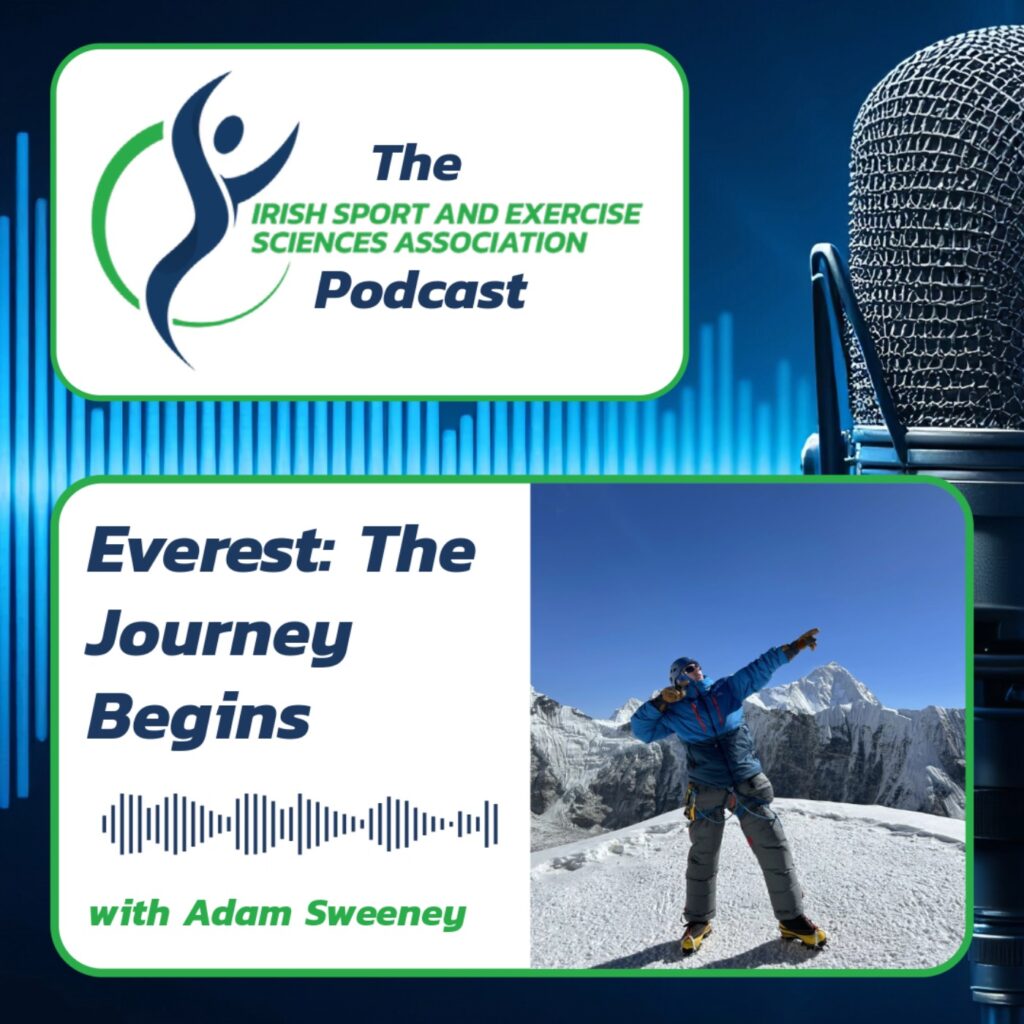
Everest: The Journey Begins
In this episode of the Irish Sport and Exercise Science Association (ISESA) podcast, Bruce speaks with Adam Sweeney, a 22-year-old […]
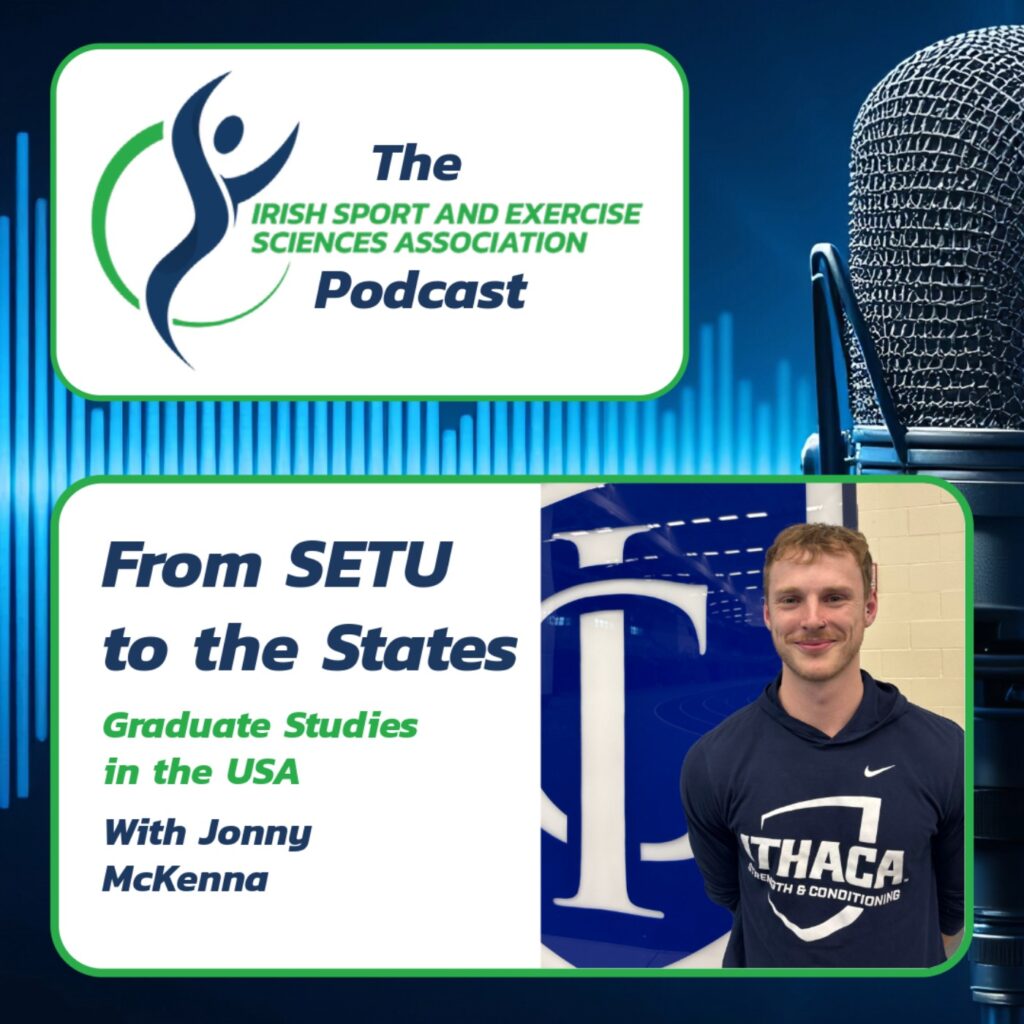
From SETU to the States
In this episode, Bruce sits down with Jonny McKenna, a recent South East Technological University (SETU) graduate who crossed the [...]
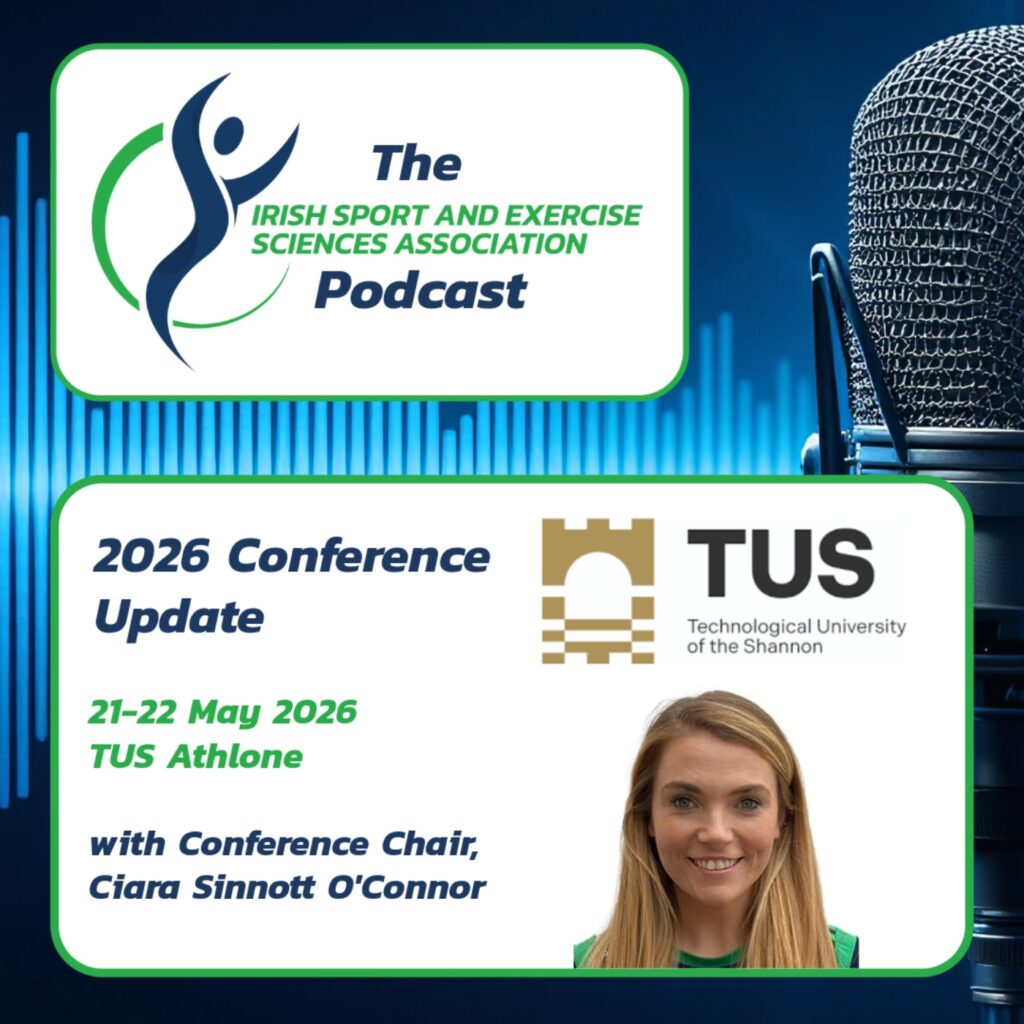
2026 Conference Update
Preparations for the 2026 ISESA conference are well underway and today, Ciara Sinnott-O'Connor, e chair of this year's conference team [...]
RESOURCES
Browse Our Latest Blogs
The Irish Sport and Exercise Sciences Association (ISESA) blog series highlights sport and exercise sciences throughout Ireland and beyond. Whether you’re a student, researcher, or practitioner, share your insights, research, or real-world experiences with our vibrant community. Inspire, inform, and spark discussion—your voice belongs on our platform!
ISESA Call for Contributions
If you have an idea or a topic you’re passionate about and want to write a blog for ISESA, please get in touch by filling out this short form. We’ll follow up with you as soon as possible.
The Role of Monitoring Questionnaires in Interpreting PARA Academy Athletes’ Performance Data
In this blog Samual Langran discusses how subjective monitoring questionnaires enhance the interpretation of athlete performance testing data. Factors such as sleep quality, mood state, anxiety, soreness, energy levels, and stress can significantly influence performance outcomes but are often overlooked.
Gut Microbiota and Elite Sport Performance: Evidence from Volleyball to Combat Sports
In this interesting blog Junior Carlone discusses his research focusing on how the gut microbiota of elite athletes, may influence training adaptation processes, recovery quality, and resilience to physiological stress.
Road to the Olympics; The effects of Multiple Object Tracking on Attentional Control in High Performance Ukrainian Athletes
In this insightful blog, Máiréad Foy, a PhD student at TUS, discusses her research involving multiple objects tracking in Ukrainian athletes. MOT is used to evaluate the athlete’s mental, visual, and attention-based capabilities.
RESOURCES
Browse Our Latest News & Insights
The Irish Sport and Exercise Science Association (ISESA) deliver the latest in news and insights covering key topics in sport and exercise science in Ireland.
Whether you are a student, researcher, practitioner, or policymaker, this information will help stimulate discussion within the sport and exercise science community.
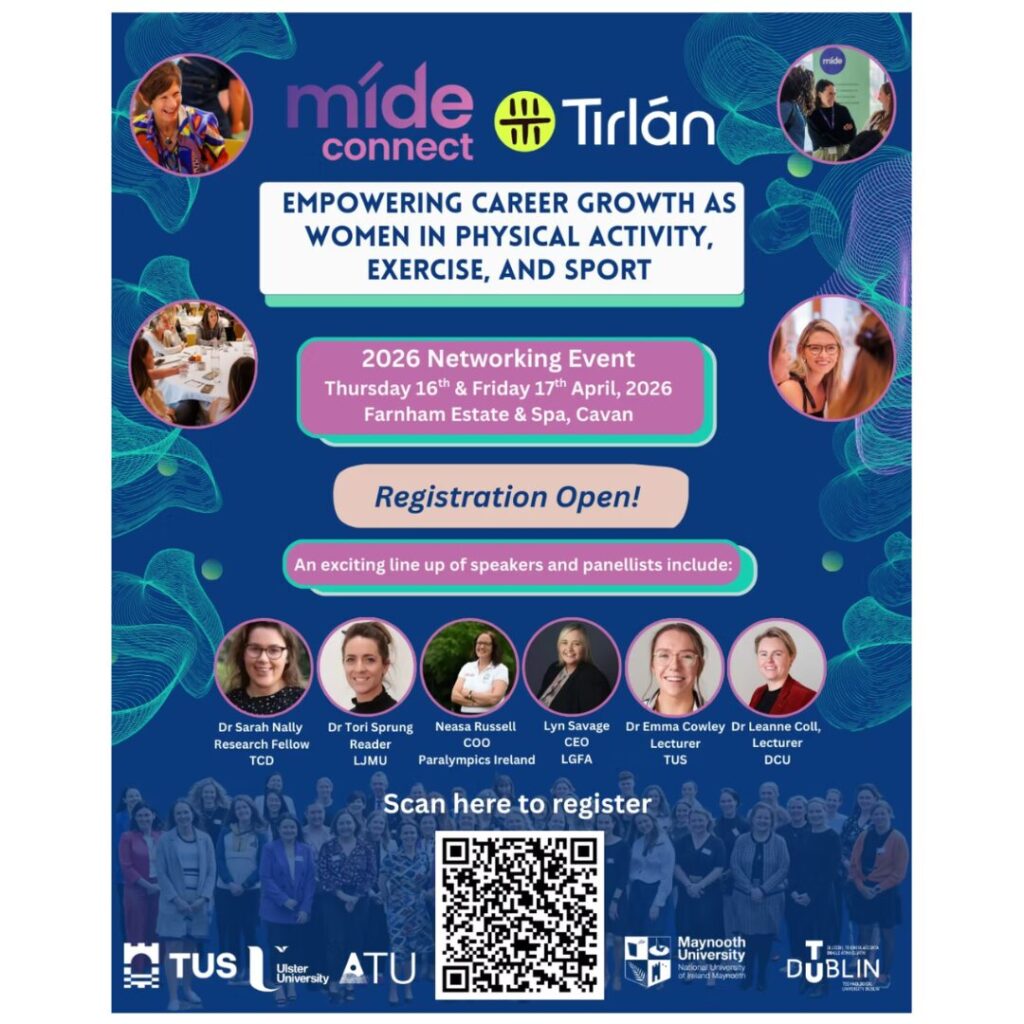
míde Connect Networking Event 2026: Registration Now Open
This year’s theme is: “Empowering career growth as women in physical activity, exercise and sport.”
The event will bring together women from across the sector for two days of insight, connection and inspiring discussion, and will include:
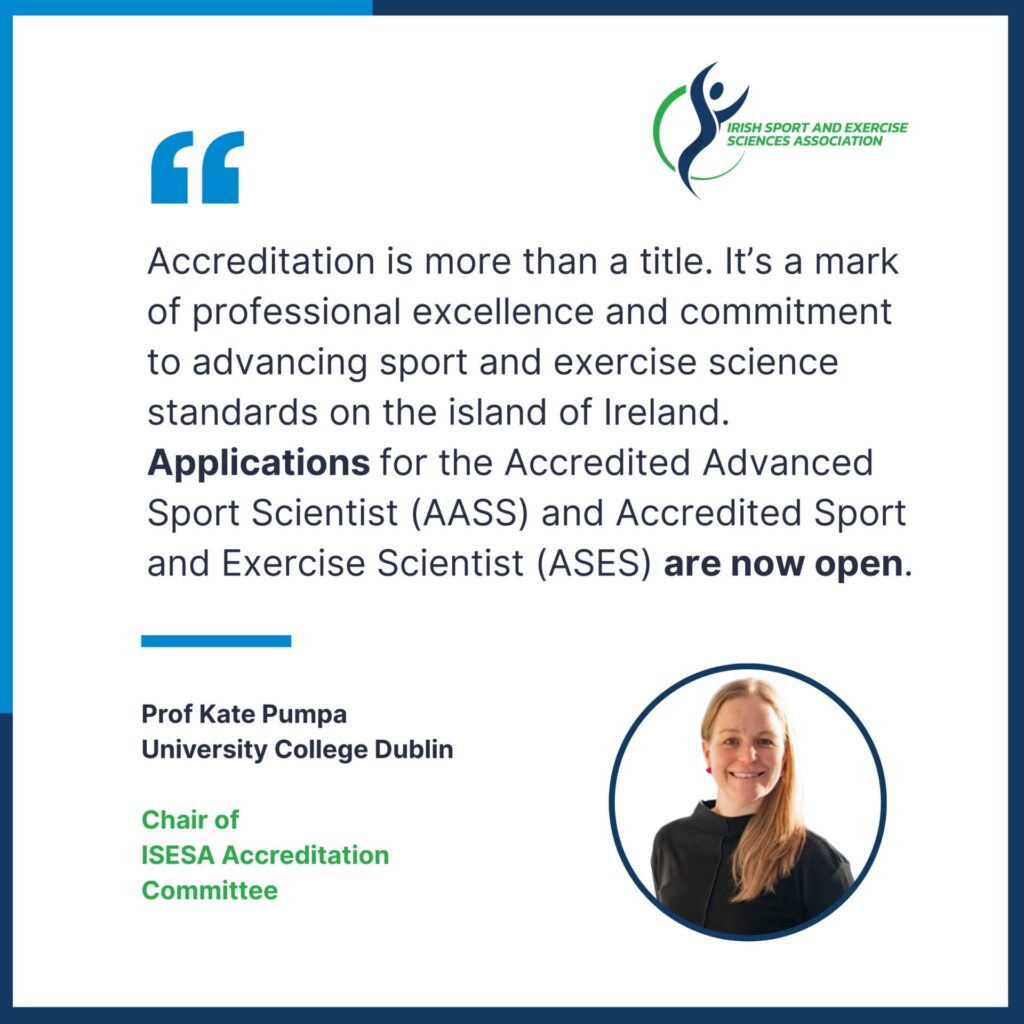
ISESA Accreditation Now Open: Advance Your Professional Recognition in Sport and Exercise Science
Accreditation is more than a title – it is formal recognition of your expertise and professional standards. Applications are now open for Accredited Advanced Sport Scientist and Accredited Sport and Exercise Scientist. If you meet the criteria, apply before 1 April 2026 and take the next step in your career.
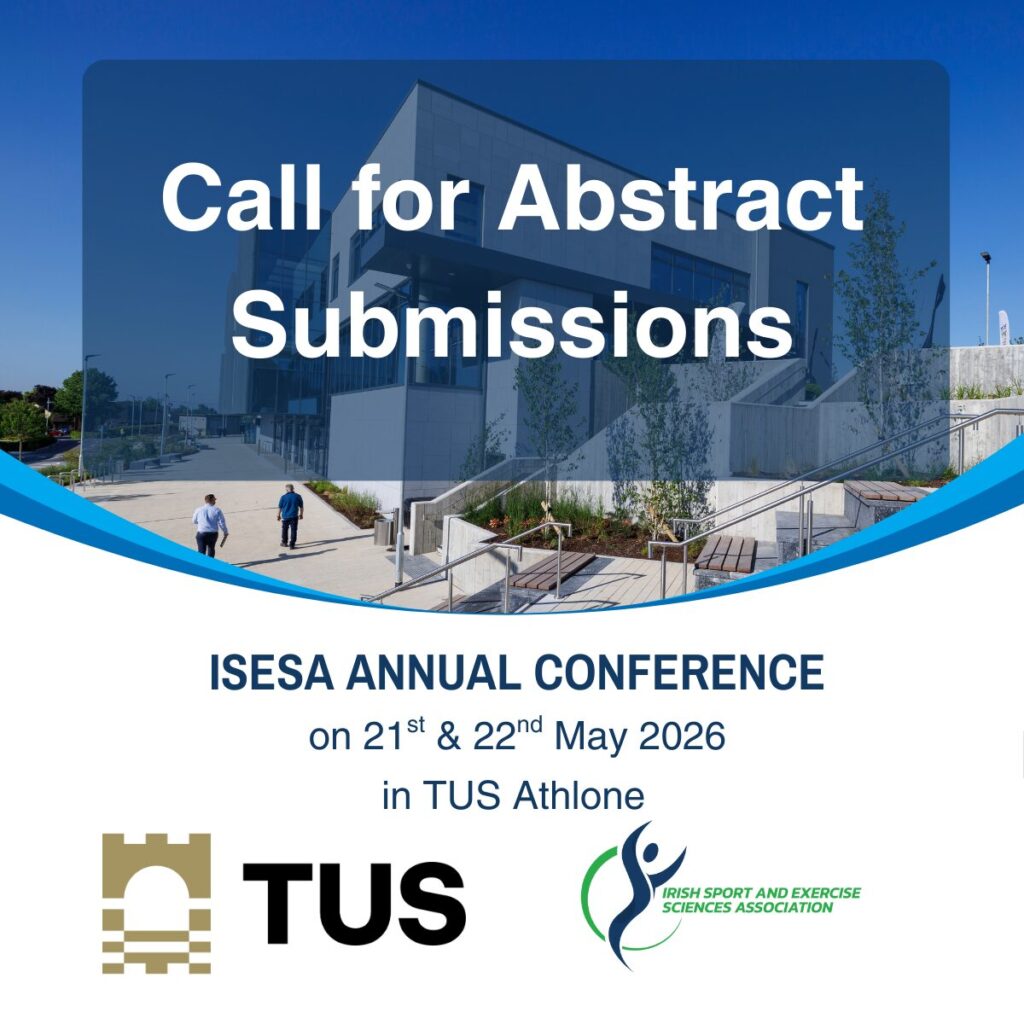
Expressions of Interest Sought for ISESA Conference 2026
The Irish Sport and Exercise Sciences Association (‘ISESA’) held their first ever annual conference in SETU Waterford on 22 and 23 May, in front of over 200 delegates.
RESOURCES
Browse Our Latest Webinars & Recordings
The Irish Sport and Exercise Science Association (ISESA) Webinar Series offers an accessible and engaging way to explore key topics in sport and exercise science in Ireland.
Delivered by experts from academia, practice, and policy, these webinars showcase current research, applied case studies, and innovative developments taking place across the sector.
Whether you are a student, researcher, practitioner, or policymaker, the series is designed to support knowledge sharing, stimulate discussion, and strengthen connections within the sport and exercise science community.
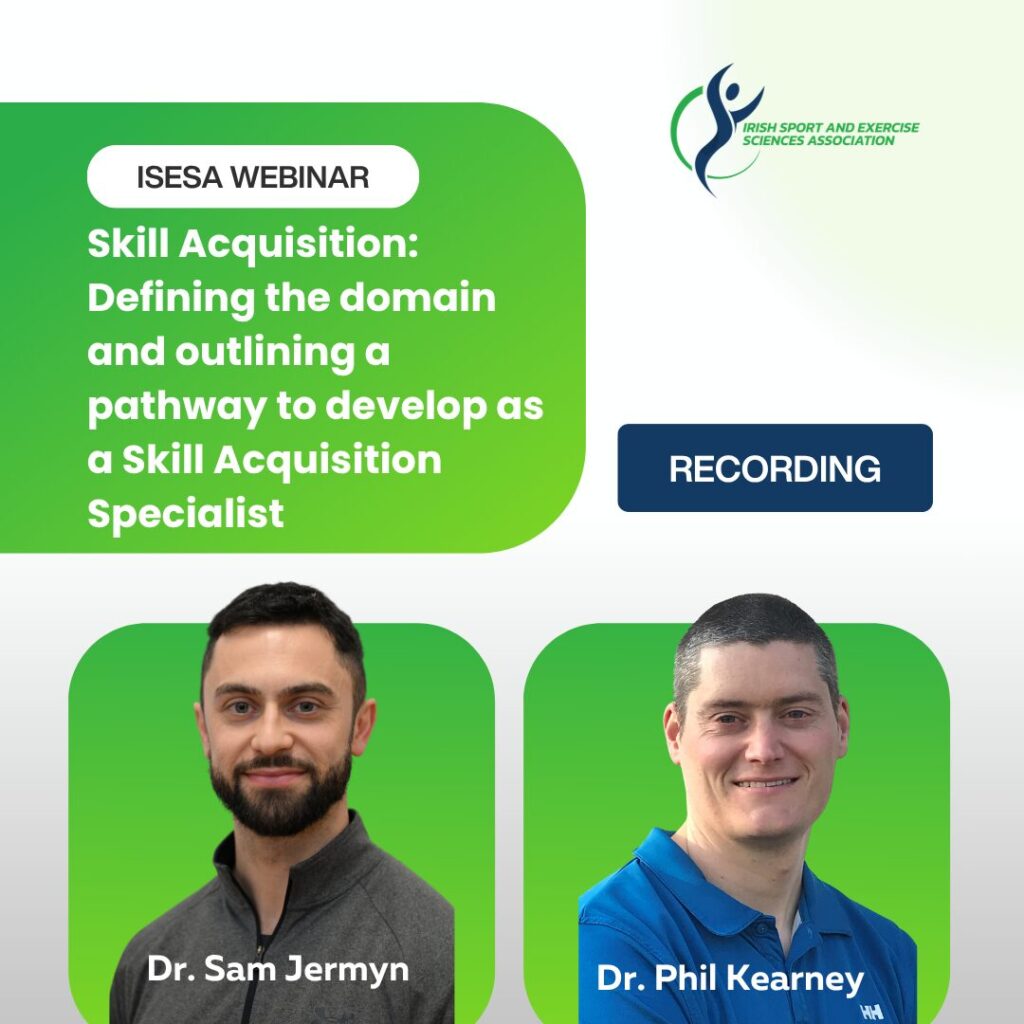
Skill Acquisition: Defining the domain and outlining a pathway to develop as a Skill Acquisition Specialist
This webinar defined the sport science discipline of Skill Acquisition, outlined the scope of practice of a Skill Acquisition Specialist and presented a model to guide applied practice.
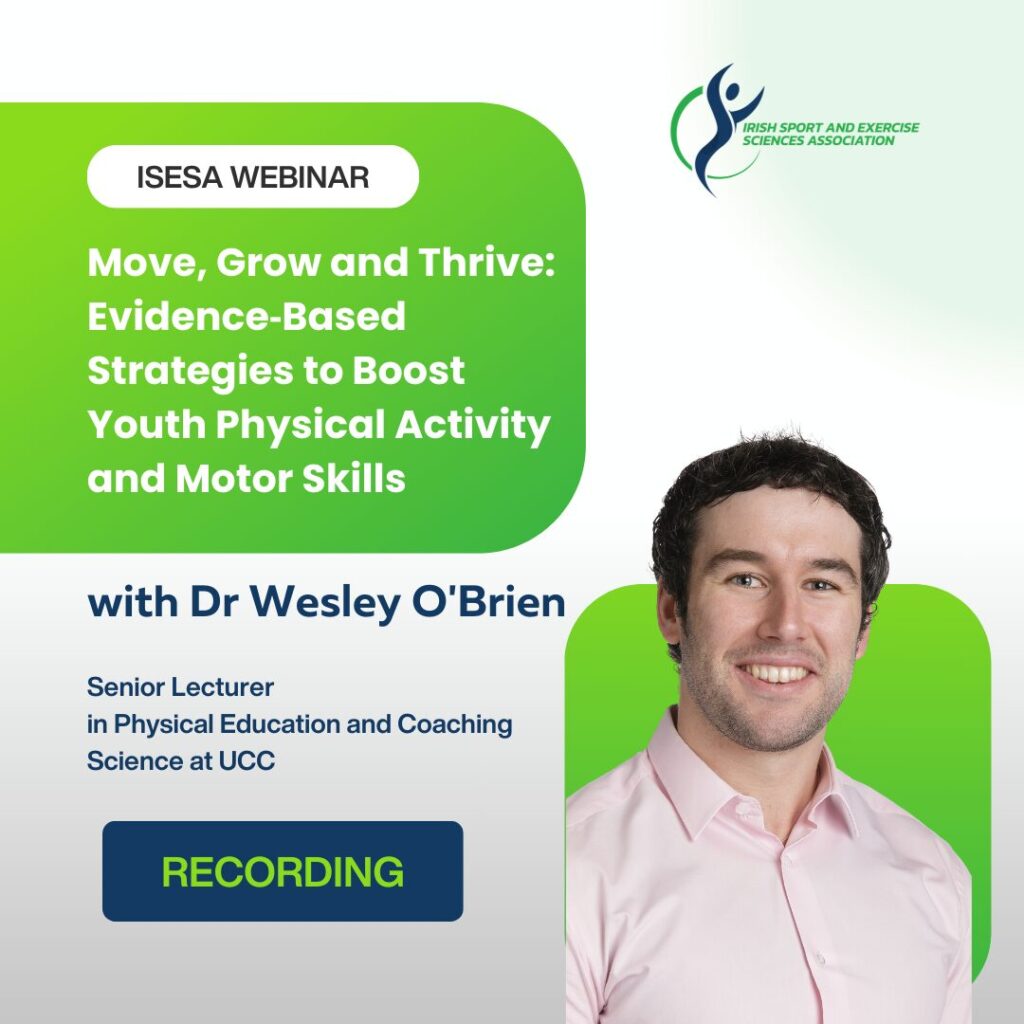
Wes O’Brien: Move, Grow and Thrive: Evidence‑Based Strategies to Boost Youth Physical Activity and Motor Skills
Combining insights from contemporary movement science and practical experience in youth physical activity promotion, this session outlined evidence‑based recommendations for developing movement skills in childhood and adolescence. Wesley unpacked recent research relating to best‑practice approaches to frequency, intensity, time, and type of movement, and explore how parents, educators, and community leaders can support active, confident young people in an increasingly sedentary and digitally changing world.
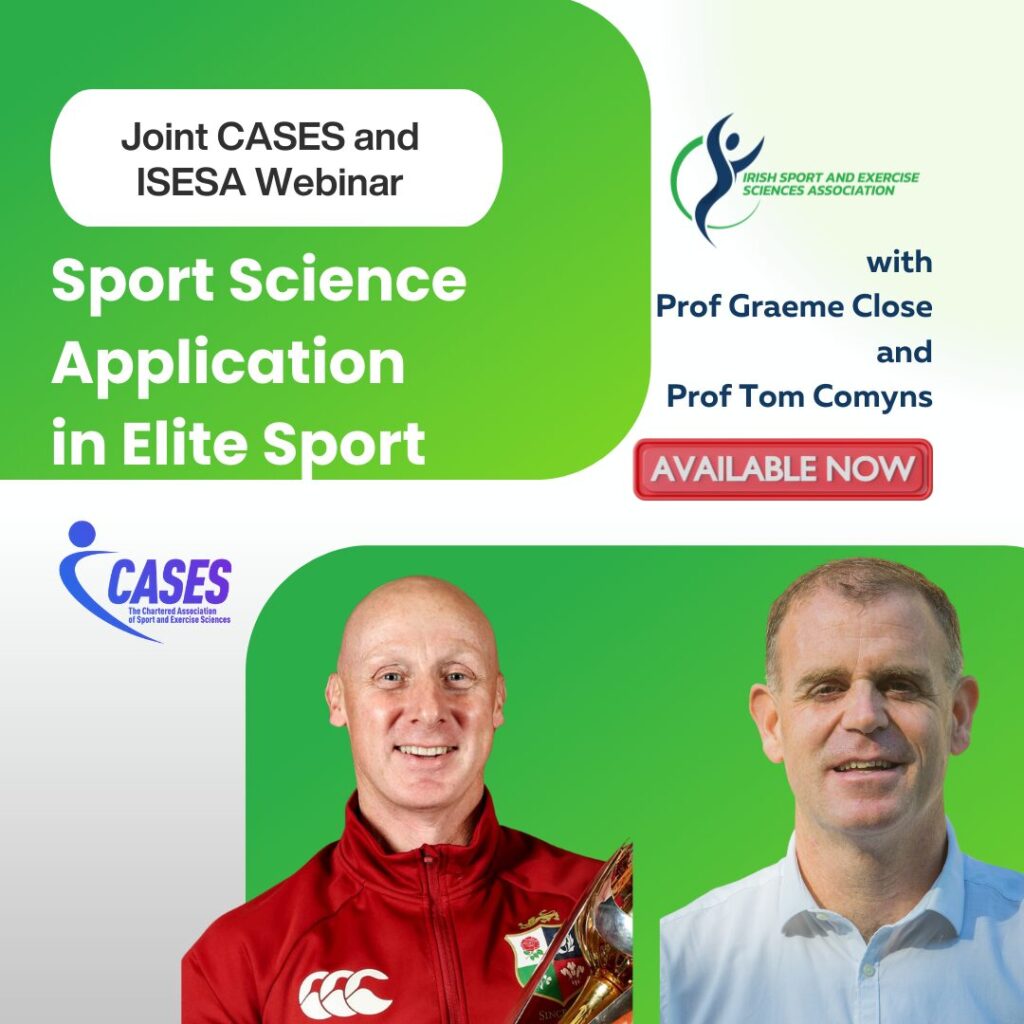
Joint CASES and ISESA Webinar
This inaugural joint webinar between ISESA and CASES brings together leading experts to explore the application of sport science in elite performance environments.